How to Find the Right Plastic Surgeon After Ozempic (Without Getting Burned)
The surgeon you choose matters more than almost any other decision in this process. Here's exactly how to find a great one — and how to spot the ones to avoid.
Read time: 11 min read
You can do everything else right — stabilize your weight, save the money, prepare your body — and still end up disappointed if you choose the wrong surgeon. This is the decision that determines your result, your safety, and whether you'd do it all again.
The problem is that every surgeon's website looks the same. They all say "board certified." They all have before-and-after galleries. They all seem confident. So how do you actually tell a great surgeon from a mediocre or unqualified one?
Here's the honest, practical guide — what to verify, what to ask, and the red flags that should make you walk out the door.
The single most important thing: ABPS board certification
If you remember nothing else from this guide, remember this. The first question you should ask any plastic surgeon — before you even book a consultation — is whether they are certified by the American Board of Plastic Surgery (ABPS).
Here's why this matters so much. In the United States, the ABPS is the only board recognized by the American Board of Medical Specialties (ABMS) to certify surgeons in plastic surgery. A surgeon certified by the ABPS has completed at least six years of surgical training after medical school, including a minimum of three years specifically in plastic surgery, and passed rigorous written and oral examinations covering all plastic surgery procedures.
Now here's the trap: any licensed physician can legally call themselves a "cosmetic surgeon." In most states, physicians from a variety of medical specialties may legally offer cosmetic procedures, even if they did not complete a traditional plastic surgery residency. That's why understanding a surgeon's training and board certification is so important. There are also many official-sounding boards with names like "American Board of Cosmetic Surgery" that are NOT recognized by the ABMS and do not require the same training. Importantly, there is no ABMS-recognized certifying board with the words "cosmetic surgery" in its name.
So when a provider says "board certified," that phrase alone means nothing. You have to ask: certified by which board? For procedures such as tummy tucks, body lifts, arm lifts, and other skin removal surgeries, most experts recommend choosing a surgeon certified by the American Board of Plastic Surgery (ABPS).
How to verify it yourself: Don't just take their word for it. Go to the ABPS website (abplasticsurgery.org) and look up the surgeon by name. You can confirm their certification in under a minute. You can also confirm membership in the American Society of Plastic Surgeons (ASPS) at plasticsurgery.org — all ASPS members are ABPS board certified.
Why post-GLP experience specifically matters
Board certification is the baseline — necessary but not sufficient. The next layer is whether this surgeon actually specializes in post-weight-loss bodies.
Here's what matters most: surgeons who regularly treat post-weight-loss patients understand the unique challenges that come with major weight loss, regardless of how that weight was lost. Many GLP-1 patients experience skin laxity affecting multiple areas of the body, which often requires a different surgical strategy than a routine cosmetic tummy tuck or breast procedure.
When you consult, ask directly:
How many post-weight-loss patients have you treated? How many body lifts, arm lifts, or extended tummy tucks do you perform in a typical month? Can I see before-and-after photos of patients who lost a similar amount of weight to me, through GLP-1 medications specifically?
A surgeon who specializes in this will light up at these questions and show you a deep gallery of relevant cases. A surgeon who doesn't will give vague answers or show you photos that don't match your situation. The difference tells you everything.
The questions to ask at your consultation
Walk in with these written down. A good surgeon welcomes informed patients and answers every one without making you feel rushed. Here's your checklist:
About credentials and experience:
Are you certified by the American Board of Plastic Surgery? (Verify independently afterward.)
How many times have you performed this specific procedure? For common procedures, the answer should be in the hundreds, not dozens.
Do you have hospital privileges for this procedure? Even if your surgery happens in an outpatient facility, hospital credentialing is another layer of verification of a surgeon's qualifications.
About the facility and safety:
Accredited surgical facilities (such as those accredited by AAAASF, AAAHC, or The Joint Commission) are generally considered the standard for elective plastic surgery and provide additional oversight around safety, staffing, and emergency preparedness.
What type of anesthesia will I have, who administers it, and how will I be monitored? You want a board-certified anesthesiologist or certified nurse anesthetist, not the surgeon themselves managing your anesthesia.
What happens if there's a complication during surgery? A qualified surgeon has clear emergency protocols and the training to handle problems.
About your specific result:
Based on my body, do you recommend one procedure or a staged approach? Listen for an honest answer about what's realistic, not a sales pitch.
What will my scars look like, and where will they be? A good surgeon is upfront about scarring.
Can I talk to past patients or read verified reviews? Many practices can connect you with patients who agreed to share their experience.
What does your revision policy cover if I'm not satisfied or need a touch-up?
The green flags of a great surgeon
When you're in the consultation, pay attention to how it feels. The best surgeons share these traits:
They listen more than they talk. A great consultation is mostly the surgeon understanding your goals, concerns, lifestyle, and medical history — not delivering a rehearsed pitch.
They're honest about limitations. A surgeon who tells you "this is realistic, but this part won't be perfect" is more trustworthy than one who promises you'll look flawless. Realistic expectations are a sign of integrity.
They offer alternatives. A good surgeon presents options and explains tradeoffs rather than pushing one expensive package.
They never pressure you. The right surgeon gives you time, space, and information to decide. They expect you to consult with other surgeons. They're confident enough not to need a same-day commitment.
They give you a clear, written quote. Everything itemized — surgeon fee, anesthesia, facility, garments, follow-ups — in writing, so you can compare and take it home.
The red flags — walk away if you see these
Some warning signs should end the conversation immediately:
They won't specify which board certified them, or they're certified by something other than the ABPS for a surgical procedure. Vague answers about being "board certified" are a major red flag.
They quote you a price over the phone without examining you in person. Real surgical planning requires a physical assessment.
They pressure you to book today with a "special deal" or limited-time discount. Reputable surgeons don't use high-pressure sales tactics. Your body is not a flash sale.
They push additional procedures you didn't ask about. A good surgeon never pressures you into unnecessary add-ons.
The facility isn't accredited, or they're vague about where the surgery happens and who handles anesthesia.
The price is dramatically lower than everyone else. In cosmetic surgery, a price that's half of what other qualified surgeons quote isn't a bargain — it's a warning. It often means an unaccredited facility, an under-qualified provider, or corners being cut on safety.
They dismiss your questions or make you feel like you're being difficult. A surgeon who's annoyed by an informed patient is showing you who they are.
How to actually find candidates to consult
Start here:
The ASPS "Find a Surgeon" tool at plasticsurgery.org lets you search for board-certified plastic surgeons in your area. Every ASPS member is ABPS certified, practices in accredited facilities, and follows strict safety and ethics standards. This is the single best starting point.
The Aesthetic Society (theaestheticsociety.org) also has a surgeon finder focused on aesthetic specialists.
Ask your primary care doctor for a referral. They often know which local plastic surgeons have strong reputations and good outcomes.
Online reviews and patient communities — RealSelf, post-weight-loss support groups, and GLP-1 communities often share firsthand experiences. Read these for patterns, not single opinions. One bad review means little; a consistent theme means something.
Verify everyone independently. Whatever the source, confirm ABPS certification yourself at abplasticsurgery.org before booking.
Don't Judge a Surgeon by Their Instagram
A surgeon's social media account can be helpful, but it shouldn't be your primary screening tool.
What matters more:
Board certification
Surgical experience
Before-and-after photos of patients similar to you
Facility accreditation
Safety record
Patient reviews across multiple sources
A great social media presence doesn't necessarily mean great surgical results. Some exceptional surgeons barely post online at all.
Use Instagram to get a sense of aesthetic style, not to evaluate qualifications.
Why you should consult with more than one
Consult with 2–3 surgeons before deciding. This is completely normal and expected — no good surgeon will be offended.
Here's why it matters: different surgeons may recommend different approaches for the same body. One might suggest a staged plan, another an all-in-one surgery. One might recommend a tummy tuck where another sees a need for a full body lift. Hearing multiple expert opinions helps you understand your options and spot outliers — both the surgeon who wants to do too much and the one who isn't addressing enough.
It also lets you compare how each consultation feels. Often, after three consultations, one surgeon clearly stands out — they listened best, explained most clearly, showed the most relevant before-and-afters, and made you feel both informed and comfortable. That's usually your answer.
The bottom line
The goal isn't to find the cheapest surgeon, the closest surgeon, or the surgeon with the biggest social media following. The goal is to find the surgeon who has the right training, extensive experience with post-weight-loss patients, and a communication style that makes you feel informed rather than pressured.
Take your time. Verify credentials independently. Get multiple opinions. Ask uncomfortable questions.
You've already invested months or years into losing the weight. Spending a few extra weeks choosing the right surgeon is one of the highest-return decisions you'll make in the entire process.
This guide is for informational purposes only and is not medical advice. Always independently verify a surgeon's credentials and consult directly with board-certified professionals.

How to Prepare for Skin Removal Surgery After GLPs: The 90-Day Checklist
The work you do in the 90 days before surgery directly affects your results and recovery. Here's the surgeon-backed checklist most patients never get.
Every surgeon's website has a recovery timeline. They all say roughly the same thing: "rest for a week, return to work in two, resume Most people think the hard part of skin removal surgery is the surgery itself. It's not. The hard part is the preparation — and most patients don't get a real plan for it.
What you do in the 90 days before your procedure directly affects three things: whether your surgeon will even operate, how well you heal, and how good your final result looks. GLP-1 patients have a few specific considerations that patients who lost weight other ways don't. This is the checklist we wish every surgeon handed out at the first consultation.
90 Days Out: Stabilize Your Weight
This is one of the first things most surgeons look for.
Your weight should be stable before skin removal surgery. Many surgeons prefer at least 3–6 months of weight stability, meaning your weight isn't continuing to trend downward and isn't fluctuating significantly from week to week.
The reason is simple: if you're still actively losing weight, your body is still changing. Operating too early can make it harder for a surgeon to determine exactly how much skin should be removed and may increase the likelihood of wanting a revision later.
If you're still losing weight on a GLP-1 medication, talk with your prescribing clinician about whether you've reached a maintenance phase. You don't necessarily need to stop the medication to stabilize your weight. The goal is simply to make sure your body has settled into a consistent size before surgery.
Tracking your weight weekly in the months leading up to surgery can be helpful and gives your surgeon a clearer picture of your progress.
90 Days Out: Prioritize Protein and Nutrition
This is one of the most overlooked parts of surgical preparation.
Many people using GLP-1 medications eat substantially less than they did before treatment. While that's often necessary for weight loss, it can create challenges when preparing for surgery if protein intake falls too low.
Your body relies on protein to repair tissue, support wound healing, and recover from surgery. Most surgeons encourage patients to focus on a protein-rich diet for several months before surgery. Your exact needs depend on your body size, activity level, and medical history, but many patients benefit from intentionally increasing their protein intake during this period.
Simple ways to increase protein intake include:
Using protein shakes when appetite is low
Prioritizing protein sources at meals
Eating smaller protein-focused meals throughout the day
Keeping high-protein snacks readily available
Beyond protein, adequate intake of iron, vitamin C, zinc, vitamin D, and vitamin B12 may also support recovery. Your surgeon may recommend blood work and targeted supplementation if deficiencies are identified.
60 Days Out: Get Your Labs and Medical Clearance
About two months before surgery, most patients complete pre-operative testing. This commonly includes blood work and, depending on age and medical history, may include an EKG or additional medical clearance.
For patients who have experienced substantial weight loss, surgeons often pay close attention to markers of nutritional status, anemia, and overall health. Identifying any issues early gives you time to address them before surgery.
Be completely transparent about your GLP-1 medication use, including:
Which medication you're taking
Your current dose
How long you've been taking it
Any recent dose changes
This information affects both anesthesia planning and surgical preparation.
30 Days Out: Build and Preserve Muscle
The month before surgery is a good time to focus on maintaining strength and muscle mass.
Weight loss often includes some loss of lean tissue along with body fat. Preserving muscle can help support your overall recovery and may contribute to better body contour after skin removal.
If your doctor has cleared you for exercise, consider adding resistance training several times per week. The goal isn't dramatic muscle gain—it's maintaining strength and supporting your body's ability to recover.
This is also the time to:
Stop nicotine use completely
Limit alcohol intake
Review medications and supplements with your surgeon
Follow all instructions regarding blood-thinning medications and supplements
Nicotine deserves special attention. Smoking, vaping, nicotine gum, and nicotine patches can significantly increase wound-healing complications. Many surgeons require patients to be nicotine-free for several weeks before and after surgery.
2–4 Weeks Out: Managing Your GLP-1 Medication
This is one of the most important conversations you'll have with your surgical team.
GLP-1 medications can slow stomach emptying, which may affect anesthesia safety. Because of this, surgeons and anesthesiologists often recommend temporarily stopping the medication before surgery.
The exact timing varies by medication, dose, procedure, and your individual health situation. Some patients may be asked to stop treatment about a week before surgery, while others may receive different instructions based on current anesthesia guidelines and their medical history.
The most important rule: follow the instructions provided by your surgeon and anesthesiologist, even if they differ from general information you find online.
Most patients can resume their medication after surgery once they're eating normally again and their surgeon feels healing is progressing appropriately. The timing varies and should be individualized.
2 weeks out: Set up your recovery before you need it
The two weeks before surgery are about logistics. Recovery is much easier when everything is ready before you're in pain and can't move well.
Set up your recovery space. You'll be sleeping at an angle (not flat) for the first few weeks, so set up a recliner or stack pillows on your bed. Put everything within arm's reach of where you'll be resting: phone charger, water, remote, medications, snacks, lip balm, tissues.
Fill your prescriptions in advance. You do not want to wait in a pharmacy line the day after abdominal surgery. Get your pain medication, antibiotics, stool softener (essential — pain meds cause constipation), and anti-nausea medication filled before surgery day.
Prep your food. Cook or order 7–10 days of easy, protein-rich meals. You won't want to cook and you won't be able to stand long enough to do it. Protein shakes, soups, pre-made meals, Greek yogurt, anything that requires zero effort.
Buy a grabber tool. You can't bend over for weeks after a tummy tuck or body lift. A $10 reaching tool saves you countless painful moments.
Arrange your help. You need someone with you for at least the first 3–5 days, ideally a week. Someone to drive you home, help you in and out of bed, manage drains, and handle daily tasks. If you don't have a partner or family member available, look into a post-operative care nurse. This is not optional — you genuinely cannot do the first week alone safely.
Buy loose, comfortable clothing. Button-up or zip-up tops (you won't be able to lift your arms over your head), loose pants, slip-on shoes (you can't bend to tie laces).
The week of surgery: Final steps
Follow your surgeon's exact pre-op instructions. They'll tell you when to stop eating and drinking before surgery (usually nothing after midnight the night before), what to wash with, and what to bring.
Confirm your ride and your help. Make sure your designated person knows the timing and is reliable. You cannot drive yourself home after general anesthesia.
Hydrate well in the days before (until the fasting window). Good hydration supports healing and helps your body handle anesthesia.
Get your rest. Going into surgery well-rested and calm helps your recovery. Stress and exhaustion don't help anything.
Take "before" photos. You'll want them later. Most people are so focused on the result that they forget to document where they started. Six months post-surgery, those before photos become one of the most emotionally powerful parts of the whole journey.
The GLP-1 Patient's Unique Consideration
Patients who lose weight with GLP-1 medications often arrive at surgery differently than patients who have undergone bariatric procedures.
Unlike bariatric surgery, GLP-1 medications do not alter the digestive tract. However, the reduced appetite that makes these medications effective for weight loss can sometimes make it harder to consume enough protein and calories during surgical preparation and recovery.
That's why nutrition deserves so much attention in the months leading up to surgery. Maintaining adequate protein intake before and after surgery is one of the most important things you can do to support healing.
The bottom line
The months before surgery are an opportunity to set yourself up for the best possible outcome.
Focus on:
Stabilizing your weight
Optimizing protein and nutrition
Completing medical clearance early
Preserving muscle mass
Avoiding nicotine
Coordinating GLP-1 medication management with your medical team
Preparing your recovery space before surgery day
The surgery itself may only take a few hours. The preparation takes months. The patients who heal most smoothly are usually the ones who treat those months as part of the procedure—not just the lead-up to it.
This guide is for informational purposes only and is not medical advice. Always follow the specific pre-operative instructions provided by your surgeon and prescribing physician, which take precedence over any general guidance here.

Can You Actually Tighten Loose Skin Without Surgery After Ozempic?
Everyone wants to skip surgery. Some people can. Most can't. Here's how to know which category you're in — and what's actually worth trying first.
This is the first thing everyone Googles. Before looking into tummy tucks or body lifts, you want to know if there's a way to fix the loose skin without surgery. Less risk, less money, less recovery time. Makes sense.
Here's the honest answer: it depends entirely on how much loose skin you have and where it is. Non-surgical treatments can meaningfully improve mild laxity. They cannot fix significant sagging. Knowing the difference before you spend $5,000–$10,000 on treatments that won't work for your situation will save you money, time, and frustration.
First: how to tell if your loose skin is mild, moderate, or significant
Stand in front of a mirror. Grab the loose skin on your stomach with your hand. This tells you what category you're in:
Mild — The skin feels thin and crepey but doesn't fold over or hang. When you pinch it, it's a thin layer. It looks loose when you sit down but mostly smooths out when you stand. You might describe it as "not tight" rather than "saggy."
Moderate — The skin folds slightly when you sit. You can grab a handful but it doesn't hang down on its own. Standing up, you still see visible looseness that won't go away with exercise. Your arms might jiggle when you wave, your inner thighs rub together with extra skin.
Significant — The skin hangs. You have a visible fold or "apron" on your abdomen. Your arms drape when you lift them. The skin may cause functional problems such as chafing, irritation, or rashes underneath the folds.
One important note: the amount of excess skin matters more than the number of pounds you lost. Some people develop significant laxity after losing 40 pounds, while others maintain relatively good skin tightness after losing much more.
The honest rule: Non-surgical treatments can meaningfully improve mild laxity and may help some moderate cases. If your skin hangs, folds, or causes physical symptoms, surgery is usually the only option that can remove the excess tissue and produce a dramatic improvement. No device, cream, or treatment can remove excess skin that's already there.
What actually works without surgery
These are the treatments with real clinical evidence behind them. They work by stimulating your body's own collagen production, which gradually tightens and firms the skin over weeks to months. None of them are instant, and none of them are as dramatic as surgery — but for the right candidate, they make a real difference.
Radiofrequency microneedling (Morpheus8, Fractora, Vivace)
How it works: Tiny needles pierce the skin while delivering radiofrequency energy into the deeper layers. This controlled injury stimulates your body's healing response and encourages new collagen and elastin production. The result is firmer, tighter, smoother skin over the following months.
What it's best for: Mild to moderate laxity on the face, neck, jawline, abdomen, and arms.
What to expect: 3–4 sessions spaced 4–6 weeks apart. Each session takes 30–60 minutes. Downtime is typically 2–5 days of redness and mild swelling. Results build gradually, with improvement often becoming noticeable after several weeks and continuing for months.
Cost: $700–$1,500 per session for the face. $1,500–$4,000 per session for larger body areas.
Patient experience: Morpheus8 consistently receives strong patient reviews and is one of the most commonly recommended non-surgical skin-tightening treatments.
The catch: It can improve skin quality and mild looseness, but it cannot reproduce the results of surgery for significantly hanging skin.
Ultrasound skin tightening (Ultherapy, Sofwave)
How it works: Focused ultrasound energy heats targeted tissue beneath the skin, stimulating collagen production over time.
What it's best for: Mild lifting and tightening of the brow, chin, neck, and jawline.
What to expect: Usually one treatment session. Results develop gradually over several months.
Cost: $2,000–$5,000 depending on the area treated.
Patient experience: Satisfaction can be variable. Some patients see noticeable improvement, while others experience only subtle changes.
The catch: Results are generally modest and work best for mild laxity rather than significant loose skin.
Biostimulatory injectables (Sculptra, Radiesse)
How they work: Rather than simply adding volume, these injectables stimulate collagen production over time. Sculptra uses poly-L-lactic acid, while Radiesse uses calcium hydroxylapatite.
What they're best for: Facial volume loss after weight loss, crepey skin of the neck and chest, and mild skin quality concerns.
What to expect: Multiple treatment sessions over several months, with gradual improvement.
Cost: Sculptra typically ranges from $3,000–$6,000 for a treatment series.
The catch: These treatments are most useful for the face and certain upper-body areas. They are not a meaningful solution for significant abdominal, thigh, or arm skin laxity.
Collagen supplements
Some studies suggest collagen peptides may modestly improve skin hydration and elasticity, but evidence that they meaningfully improve established loose skin after major weight loss remains limited.
Red light therapy
Some evidence supports red light therapy for skin quality and collagen stimulation, but evidence for meaningful improvement in post-weight-loss skin laxity remains limited. It's best viewed as a supplemental treatment rather than a primary solution.
What doesn't work — despite what the internet tells you
Skin tightening creams and serums. No topical product has ever been clinically shown to tighten loose skin. Products containing retinol, peptides, or caffeine can mildly improve skin texture and surface appearance, but they cannot rebuild the collagen and elastin structure that's been damaged by stretching. If a cream could do what Morpheus8 does, Morpheus8 wouldn't exist.
Dry brushing and body wraps. These temporarily improve circulation and may reduce the appearance of cellulite for a few hours. They have zero effect on skin laxity. The "tightening" effect from body wraps is mild dehydration — it reverses as soon as you drink water.
Ab exercises and core workouts. Building muscle underneath loose skin can improve how your midsection looks in clothes by providing more structure. But exercise cannot shrink excess skin. If the skin is loose, it stays loose regardless of how strong your abs are underneath. Exercise is important for health and for maintaining your weight loss — just don't expect it to replace skin removal.
The honest math most people don't do
Non-surgical treatments aren't cheap. Here's what a realistic treatment plan might cost for someone dealing with post-weight-loss concerns affecting the abdomen, arms, face, and neck:
Morpheus8 for abdomen and arms (3 sessions): $6,000–$12,000
Sculptra for face: $3,000–$6,000
Ultrasound tightening for neck and chin: $2,000–$4,000
Total: $11,000–$22,000
And that's for mild to moderate improvement that may require maintenance over time.
Compare that to a tummy tuck ($8,000–$15,000), which removes excess abdominal skin and typically provides long-lasting results, or a body lift ($15,000–$35,000), which addresses multiple areas in one procedure.
Some patients pursue non-surgical treatments first and later decide that surgery better matches their goals. Others are satisfied with the improvement they achieve without surgery. The key is matching your expectations to the severity of your skin laxity.
How to decide: non-surgical or surgical?
Non-surgical treatments make sense if:
• Your skin is mildly loose and primarily affects texture rather than causing folds or hanging tissue.
• You have relatively good skin elasticity.
• Your main concern is facial volume loss or mild skin laxity.
• You want gradual improvement with minimal downtime.
• You're comfortable with maintenance treatments.
Surgery makes sense if:
• Your skin hangs, folds, or causes irritation, rashes, or chafing.
• You have significant excess skin on the abdomen, arms, thighs, or torso.
• You want the most definitive treatment option with results that are generally long-lasting.
• You've compared the cost of repeated non-surgical treatments with a surgical solution.
The middle ground
Start with one area and assess your response. If you're unsure, consider treating your area of greatest concern first. If you see meaningful improvement, you can continue. If not, you'll have more information about whether surgery may be a better fit.
Some surgeons may apply consultation fees toward a future procedure, though policies vary by practice.
You can also combine approaches. Many patients choose surgery for areas with significant excess skin and non-surgical treatments for areas with milder laxity.
The bottom line
Non-surgical skin tightening treatments are real and can work well for the right person with the right expectations. If your loose skin is mild, treatments such as radiofrequency microneedling or collagen-stimulating injectables may provide meaningful improvement without surgery. If your skin hangs or folds, no device or injectable can replicate what surgery can accomplish.
The best thing you can do is be realistic about which category you're in before spending money. A quick assessment in the mirror can save you thousands of dollars—and months of frustration.
This guide is for informational purposes only and is not medical advice. Always consult with a board-certified dermatologist or plastic surgeon to determine which treatments are appropriate for your specific situation.

Tummy Tuck Recovery Week by Week: What It Actually Feels Like
Most recovery guides read like medical brochures. This one reads like a friend who just went through it texting you from the couch. Week by week, here's what actually happens.
Every surgeon's website has a recovery timeline. They all say roughly the same thing: "rest for a week, return to work in two, resume exercise at six." Technically accurate. Completely useless for understanding what you're actually about to go through.
This guide is different. It's what recovery actually feels like — the pain levels nobody quantifies, the emotional rollercoaster nobody warns you about, the weird things your body does that send you panic-Googling at 3am. We wrote this so you can stop Googling and start knowing what's normal.
This timeline is based on a standard or extended tummy tuck after GLP-1 weight loss. Body lift recovery follows a similar arc but is generally longer and more demanding, with many patients needing an additional several weeks before feeling comparable to tummy tuck patients. Arm lifts and breast lifts have shorter, easier recoveries.
Before surgery: the week that matters more than you think
Don't skip this part. What you do the week before surgery directly affects how your first week of recovery feels.
Set up your recovery nest. You're going to live in one spot for the first 5–7 days. Set up a recliner or stack pillows on your bed so you can sleep at a 45-degree angle (you can't lie flat — it strains the incision). Put everything within arm's reach: phone charger, water bottle, remote, medications, snacks, lip balm, a small trash can, extra pillows.
Fill prescriptions in advance. You do not want to be standing in a pharmacy line the day after abdominal surgery. Get your pain medication, antibiotics, stool softener, and anti-nausea medication filled before surgery day.
Prep meals. Cook or order 7–10 days of easy food. Soups, protein shakes, scrambled eggs, crackers, fruit. You won't want to cook. You won't be able to stand long enough to cook even if you wanted to.
Get a grabber tool. Seriously. You can't bend over for weeks. A $10 reaching tool from Amazon will save you countless painful moments trying to pick something up off the floor.
Arrange help. Most surgeons strongly recommend having someone stay with you for at least the first few days, especially after a full tummy tuck or body lift. You'll need help getting out of bed, going to the bathroom, managing drains, and getting dressed. If you don't have a partner or friend available, look into post-operative care services in your area.
Stop your GLP-1 medication. Follow your surgeon's and anesthesia team's instructions regarding GLP-1 medications. Some surgeons ask patients to stop them 1–4 weeks before surgery, while others follow newer protocols based on individual risk factors.
Day 1: Surgery day
You arrive at the surgical center. The procedure takes 2–4 hours for a tummy tuck, 5–7 for a body lift. You're under general anesthesia — you won't remember anything.
When you wake up, you'll feel groggy, nauseous, and tight. You're wrapped in a compression garment. You may have 1–2 surgical drains — small tubes coming out of your lower abdomen that collect fluid into little bulbs. They look alarming. They're completely normal.
Someone drives you home (or to a recovery facility). You get into bed in your recliner position. You take your pain medication. You sleep.
Pain level: Many patients describe pain in the 6–8 out of 10 range before medication, though experiences vary significantly. The pain isn't sharp — it's a deep, pulling tightness across your entire abdomen, like you did 1,000 sit-ups and then someone wrapped a belt around you as tight as it could go.
Days 2–3: The hardest part
This is the bottom. If you can get through these days, everything after gets progressively better.
You'll walk hunched over like a question mark — standing straight pulls on the incision and the tightened muscles, and your body won't let you do it even if you try. This is normal. You'll straighten out gradually over the next 2–3 weeks.
Getting in and out of bed is a whole production. Roll to your side, use your arms to push yourself up, keep your core completely still. Having someone help you is essential.
You need to walk. Short, shuffling laps around your house, 4–5 times a day. Walking prevents blood clots, which are the most serious post-surgical risk. Just to the bathroom and back counts.
The drains. You'll need to empty them 2–3 times a day and record how much fluid comes out. The fluid is reddish at first, then gradually becomes straw-colored. Most people find drain management more annoying than painful. Your surgeon's office will show you how to do it.
Pain level: You're on prescription pain medication. The tightness is constant. You can't find a comfortable position. Sleeping is hard. This is the point where many patients think "what have I done?" That thought is completely normal. It passes.
Days 4–7: Small improvements, big emotions
The pain starts shifting from intense to achy. You're still hunched, still slow, still uncomfortable — but you notice small improvements each day. Maybe you walked a little farther. Maybe you sat up a little straighter. Maybe you slept for four hours straight instead of two.
First post-op appointment is usually around day 5–7. Your surgeon removes the outer dressings, checks the incision, and possibly removes one or both drains (drains may come out between day 5 and day 14, although depends on fluid output). Getting a drain removed feels weird — a brief pulling sensation — but it's a relief once it's out.
You can see the incision for the first time. It's long, red, and slightly swollen. It looks worse than it will look in a month. Don't judge your results from this moment.
The emotional part nobody talks about: Around day 4–5, a lot of patients hit an emotional wall. The anesthesia is fully out of your system, the reality of the recovery settles in, and you may feel weepy, anxious, or regretful. Many surgeons and recovery nurses refer to this as the 'post-op blues.’ It's a combination of anesthesia aftereffects, pain medication side effects, hormonal shifts, limited mobility, and the simple stress of being dependent on others. It passes within a few days. If it doesn't pass after 2 weeks, tell your surgeon.
Pain level: Many patients start transitioning from prescription pain medication to extra-strength Tylenol around day 5–7.
Week 2: Turning the corner
This is where most patients say recovery shifts from "surviving" to "healing."
You start standing more upright — not fully straight yet, but noticeably better. Walking around the house feels normal. You might walk outside to the mailbox. You can shower (carefully, following your surgeon's instructions about getting the incision wet). That first real shower is a milestone moment.
Drains are usually out by the end of week 2. When the last drain comes out, you'll feel a surprising sense of freedom. Drains are the most universally disliked part of recovery — more than the pain, more than the swelling.
Swelling is often most noticeable during the first 1–2 weeks before gradually improving. Your stomach may actually look bigger than before surgery because of the swelling. This freaks people out. It's temporary. The swelling has to get worse before it gets better.
Seromas: Even after drains are removed, some patients develop fluid collections under the skin called seromas. Small seromas often resolve on their own, while larger ones may need to be drained in the office. They're one of the most common tummy tuck complications and usually aren't dangerous when managed appropriately.
You can probably work from home by the end of week 2 if your job is desk-based and you can control your schedule (short hours, ability to rest, no commute). Don't push it if you're not ready.
Numbness: Your lower abdomen will be numb. This is normal — Small sensory nerves are often disrupted during surgery. Sensation returns gradually over 6–12 months, though some people have permanently altered sensation in the area between the incision and belly button. It's not painful. It just feels like the skin isn't fully "yours" yet.
Pain level: More achiness and tightness than actual pain. Prescription medication is usually done. Tylenol as needed.
Weeks 3–4: Starting to feel like yourself
You're standing upright now. Walking feels natural. You can drive (once you can comfortably twist to check blind spots and brake without pain). You can go to the grocery store. You can cook a simple meal.
Return to work: Most people with desk jobs go back to work around week 2–3. Physically active jobs require 4–6 weeks minimum. If your job involves lifting anything over 10 lbs, wait until your surgeon clears you.
The swelling is noticeably decreasing. You start to see the actual shape of your new abdomen emerging underneath. This is the first "wow" moment for most patients — the stomach is visibly flatter, the skin is smooth, the waistline is defined. It's still swollen, so the final result isn't visible yet, but you can see where it's going. This is usually the moment the emotional tide turns from "was this worth it?" to "okay, yes, this was worth it."
Compression garment: You're still wearing it, but your surgeon may reduce the hours — from 24/7 to 12–18 hours a day. Wear it as directed. It helps with swelling and supports your results.
Pain level: Occasional twinges, tightness when you overdo it, but manageable without medication most days.
Weeks 5–6: The "feels normal, isn't fully healed" trap
This is where people get in trouble. You feel so much better that you forget you had major surgery six weeks ago. You want to exercise. You want to lift things. You want to pick up your kid.
Don't overdo it. Internal healing is still happening. The muscle repair needs time to solidify. Lifting anything over 15–20 lbs, doing ab exercises, or any high-impact activity can compromise your results.
Your surgeon clears you for light exercise around week 6 — walking on a treadmill, gentle stationary bike, light lower body work. No core exercises, no running, no heavy lifting yet.
Swelling fluctuates. You might look great in the morning and notice your abdomen swelling by evening. This is completely normal and continues for months. Gravity, activity level, salt intake, and even your menstrual cycle affect daily swelling. Don't weigh yourself obsessively or measure yourself at night — morning is your true baseline.
Pain level: You may forget you had surgery for hours at a time, then get a reminder when you twist wrong or reach too far.
Months 2–3: Getting active, managing scars
Exercise: Many surgeons begin clearing patients for progressively more strenuous exercise between 6 and 12 weeks, depending on the extent of surgery and whether muscle repair was performed. Start slow. Your abdominal muscles haven't been worked in two months. They'll be weak. Build back gradually.
Scar management starts now. Once your incision is fully closed and healed (your surgeon confirms this), begin a scar protocol:
Silicone sheets or silicone scar gel — apply daily. These are topical products with strong evidence for improving scar appearance. Brands like ScarAway, Biocorneum, or Cica-Care all work.
Gentle scar massage — once cleared by your surgeon, massaging the scar with moderate pressure for 5 minutes daily helps break up adhesions and flatten the scar.
Sunscreen — keep the scar completely out of the sun for 12 months. UV exposure darkens scars permanently. If the scar is exposed, use SPF 50 every day.
Your scar right now is red, raised, and looks aggressive. This is peak scar appearance. It gets dramatically better from here. By month 6, it fades to pink. By 12–18 months, many scars become significantly lighter and flatter, though scar appearance varies based on genetics, skin tone, and healing.
Most swelling has resolved by this point. You're wearing regular clothes. Things fit in a way they never have. You start buying new jeans — this is when most patients do their first post-surgery wardrobe shopping. It's emotional in the best way.
Months 4–6: Results emerging
The swelling continues to resolve slowly. Each month, your abdomen looks a little more defined, a little more "finished." Your surgeon will see you for a follow-up around month 3 and take comparison photos.
This is when you truly start appreciating what the surgery did. The flat stomach, the defined waistline, the ability to tuck a shirt in, the way dresses hang — it all clicks. Combined with the weight you already lost on your GLP-1, you're looking at a body that matches how you've felt inside for months.
Scar is fading. From angry red to dusky pink. The silicone and massage are working. Keep going.
Energy and exercise are back to normal. You're training at full capacity. Your core is rebuilding. Some patients say their posture is better than before surgery because the muscle repair corrected years of diastasis.
Months 6–12: Final results
For most patients, the majority of swelling has resolved by this point and results are close to final. Your surgeon will do final photos and measurements.
Scar continues to mature. The journey from pink to white/skin-toned takes 12–18 months total. By the one-year mark, most scars are thin, flat, and concealable below underwear or swimwear.
This is when patients say the emotional payoff hits. Not in week 1, not even in month 3 — but around 6–12 months post-surgery, when you've fully healed, your body has settled into its new shape, and you've had time to live in this body. To get dressed without anxiety. To walk past a mirror and not flinch. To be intimate without thinking about loose skin.
Patient satisfaction rates after body contouring surgery are generally high in published studies. A common theme among satisfied patients is wishing they had pursued surgery sooner.
The stuff nobody warns you about
A few things that are completely normal but will make you Google frantically at 3am if you don't know about them:
Swelling that moves. After a tummy tuck, swelling from your abdomen can migrate downward into your pubic area, thighs, or even legs. This looks alarming. It's gravity doing its thing. It resolves on its own.
Weird nerve sensations. Zinging, buzzing, itching, or burning in the numb areas. These are nerves regenerating. It can feel strange, but it's actually a good sign — it means sensation is returning.
One side healing differently than the other. Your left side might swell more, or your right side might feel tighter. Bodies aren't symmetrical, and healing isn't either. Give it time.
Emotional attachment to the compression garment. Many patients feel anxious when their surgeon says they can stop wearing it. The garment becomes a security blanket. You feel "held together." Transitioning out of it is normal and your results will hold.
The "swell hell" phase. Around weeks 3–8, swelling fluctuates wildly from morning to night. Patients call this "swell hell." It's temporary and it's universal. Morning = flat and encouraging. Evening = puffy and discouraging. Morning you is the real you.
Constipation. Pain medication and anesthesia slow your digestion. Start the stool softener your surgeon prescribes on day 1, not when the problem starts. Drink water. Eat fiber. Trust us on this one.
When to actually call your surgeon
Most post-surgical sensations are normal. But call your surgeon's office if you experience any of these:
A fever
Increasing pain that's getting worse, not better, after day 3–4.
Redness, warmth, or foul-smelling drainage from the incision.
Sudden severe swelling on one side.
Shortness of breath or chest pain (go to the ER — this could indicate a blood clot).
Calf pain or swelling in one leg (also ER-worthy).
Any drain that falls out or suddenly changes in output or color.
When in doubt, call. Your surgeon's office expects post-op calls. You're not bothering them. That's what they're there for.
The bottom line
Tummy tuck recovery is a marathon, not a sprint. Week 1 is hard. Weeks 2–3 are the turning point. By month 2 you feel like yourself again. By month 6 you see your real results. By month 12 you can't imagine life before.
The patients who recover best are the ones who prepare well, follow their surgeon's instructions, resist the urge to rush back to activity, and give themselves grace during the emotional ups and downs.
You're not just healing from surgery. You're completing a transformation that started the day you filled that first GLP-1 prescription. For many people, this surgery feels like the final stage of a much longer weight-loss journey.
This guide is for informational purposes only and is not medical advice. Always follow your surgeon's specific post-operative instructions, which may differ from the general timeline described here.

Will Insurance Pay for Skin Removal After Weight Loss? A Step-by-Step Guide
Most skin removal surgery isn't covered. But panniculectomy — removal of the hanging stomach apron — sometimes is. 78% of properly documented cases get approved. Here's exactly how to do it.
Let's get the bad news out of the way first: insurance does not cover cosmetic surgery. Tummy tucks, arm lifts, breast lifts, thigh lifts, liposuction, Ozempic face treatments — all considered cosmetic. In most cases, these procedures are not covered by insurance.
Now the good news: there is one procedure that insurance sometimes covers. And if you qualify, it can save you $7,000–$15,000.
The one procedure insurance may cover: panniculectomy
A panniculectomy is the surgical removal of the hanging abdominal skin "apron" — the fold of skin and fat that drapes below your waistline, sometimes reaching your thighs or even your knees. Surgeons call this hanging tissue the "pannus."
A panniculectomy is not a tummy tuck. This distinction is everything for insurance purposes.
A panniculectomy primarily focuses on removing the hanging lower abdominal tissue rather than reshaping the abdomen cosmetically. No muscle tightening. No belly button repositioning. No waistline sculpting. It's classified as a reconstructive or functional procedure — solving a medical problem, not improving your appearance.
A tummy tuck does everything a panniculectomy does plus tightens the abdominal muscles, repositions the belly button, and contours the waist. Those extra steps make it cosmetic in the eyes of every insurance company.
Insurance may cover the panniculectomy. Insurance generally does not cover the cosmetic components of a tummy tuck, such as muscle tightening, belly button repositioning, or waist contouring. If your surgeon performs both together — removing the pannus (covered) and tightening muscles and contouring (not covered) — you will likely pay out of pocket for the cosmetic portion. Many patients take this approach to reduce their total costs.
What insurance companies require for approval
Insurance criteria vary significantly by carrier and individual plan. You need to prove that your hanging skin is causing medical problems that haven't responded to other treatments. Wanting it gone isn't enough. Looking better isn't enough. It has to be causing documented health issues.
Here's what 92% of major insurers require:
1. Your pannus must be Grade 2 or higher
Insurers use a grading scale based on how far your pannus hangs:
Grade 1 — covers your pubic hairline only. Grade 1 pannus is much less likely to be approved because many insurers do not consider it severe enough to meet medical-necessity criteria.
Grade 2 — covers your genitals and upper thigh crease. This is the minimum threshold for most insurers. Approval rates jump significantly here.
Grade 3 — hangs to mid-thigh. Strong approval rates.
Grade 4 — hangs to the knees. Strong approval when documented properly.
Grade 5 — hangs below the knees. Grade 5 pannus cases are typically considered strong candidates for approval when properly documented.
Your surgeon documents the grade with clinical photographs taken during your consultation. These photos are submitted with your pre-authorization request.
2. Documented skin conditions that failed conservative treatment
Insurance requires evidence that the pannus is causing chronic, recurring skin problems — and that you've tried non-surgical treatments first without success. The conditions that qualify include intertrigo (a red, inflamed rash in the skin folds), recurring fungal or bacterial infections, recurrent cellulitis (a deeper bacterial skin infection), skin breakdown or ulceration, and chronic dermatitis.
The critical part: you need 3–6 months of documented treatment attempts before insurance will consider surgery. This means visits to your primary care doctor or dermatologist where they prescribed treatments (antifungal powders, barrier creams, antibiotics, medicated ointments) and documented that the conditions keep coming back.
If you're currently dealing with rashes or infections under your pannus, start documenting now. Every doctor visit, every prescription, every photo of the rash — it all becomes evidence in your pre-authorization file.
3. Functional impairment
Insurance wants evidence that the pannus interferes with your daily life. This can include difficulty walking or exercising, problems with personal hygiene (inability to clean properly underneath the fold), back pain or mobility limitations that your physician believes are worsened by the pannus
Your doctor needs to document these functional limitations in writing. Specific is better than vague — "patient cannot walk more than 10 minutes without pain from the pannus pulling on her lower back" is stronger than "patient has some difficulty with mobility."
4. Weight stability
Most insurers require that your weight has been stable for 6–12 months before they'll approve surgery. For post-bariatric surgery patients, some require 12–18 months. For post-GLP-1 patients, the typical requirement is 6 months of stability (weight not fluctuating more than 5–10 lbs).
This requirement exists because operating on someone who's still losing weight increases the risk of needing a revision. Insurers don't want to pay for a procedure that may need to be redone.
5. BMI requirements (some insurers)
Some insurers require patients to meet specific BMI thresholds — often below 30–35 — before approving surgery, though criteria vary widely by plan.
The step-by-step approval process
Here's exactly what to do, in order:
Step 1: Start documenting your medical issues now (Month 1)
If you have rashes, infections, or skin problems under your pannus, go to your primary care doctor or dermatologist. Have them document the condition with notes and photos. Get prescriptions for conservative treatments — antifungal powders, barrier creams, topical medications. Use the treatments as prescribed.
If the problems recur — which is common with larger pannus folds — return for follow-up documentation. Get it documented again. Every visit builds your case. You need 3–6 months of this documentation.
If your pannus causes mobility issues or back pain, document that too. Ask your doctor to write specific notes about functional limitations.
Step 2: Get a letter of medical necessity from your doctor (Month 3–6)
After you have several months of documented treatment and recurring problems, ask your primary care doctor to write a letter of medical necessity. This letter should include your medical history and weight loss journey, your current symptoms and how they affect daily life, the treatments you've tried and how they've failed, specific functional limitations caused by the pannus, and a statement that surgery is the only remaining option to resolve the medical issues.
This letter carries significant weight with insurance companies. The more specific and detailed it is, the better.
Step 3: Consult with a board-certified plastic surgeon (Month 4–6)
Find a surgeon who has experience working with insurance companies on panniculectomy cases. Not all surgeons do this — many prefer to avoid insurance entirely because of the paperwork. During the consultation, the surgeon examines you, photographs the pannus, assigns the grade, discusses the procedure, and determines whether your case meets insurance criteria.
Ask the surgeon directly: "Do you think my case meets medical necessity criteria for insurance coverage?" An experienced surgeon can tell you quickly whether it's worth pursuing.
Step 4: Submit pre-authorization (Month 5–7)
Your surgeon's office submits a pre-authorization request to your insurance company. This package includes the surgeon's clinical assessment and operative plan, clinical photographs showing the pannus grade, your doctor's letter of medical necessity, 3–6 months of medical records showing recurring skin conditions, documentation of failed conservative treatments, and any relevant functional impairment documentation.
The insurance company reviews the case against their criteria. This review typically takes 2–4 weeks. Pre-authorization approval does not always guarantee final payment, so confirm coverage details with both your insurer and surgeon’s billing team before surgery.
Step 5: Get approved (or appeal the denial)
If approved: you schedule the surgery. Insurance covers the panniculectomy portion. You're responsible for your deductible, copay, and any cosmetic additions (like muscle tightening) that you choose to add.
If denied: don't give up. Denials are common on the first attempt. Many patients get denied initially and approved on appeal. Your surgeon's office can help you understand the specific reason for denial and strengthen your case with additional documentation. You typically have 60–180 days to file an appeal depending on your plan.
Common denial reasons and how to address them: "not medically necessary" — submit additional documentation of symptoms and failed treatments. "Insufficient documentation" — add more detailed notes from your doctors. "BMI too high" — continue weight loss until you meet the threshold, then resubmit. "Weight not stable long enough" — wait until you meet the stability requirement, then resubmit.
What insurance pays vs. what you pay
Even when insurance approves a panniculectomy, you're not getting completely free surgery. Here's how costs typically break down:
Insurance covers: the surgeon's fee for the panniculectomy portion, anesthesia, and operating facility costs. Total covered amount is typically $7,000–$15,000.
You pay: depending on your insurance plan’s deductible and coinsurance structure, the remaining amount
Net result: instead of paying $8,000–$15,000 out of pocket for a full tummy tuck, you might pay $1,500–$4,000 after insurance covers the panniculectomy portion. That's a significant savings.
The combo strategy: panniculectomy + tummy tuck
This is a common approach for patients who qualify for insurance-covered panniculectomy. If you qualify for insurance-covered panniculectomy, your surgeon performs the panniculectomy (removing the pannus) and a tummy tuck (muscle repair, belly button repositioning, waistline contouring) in the same surgery.
Insurance may cover the medically necessary panniculectomy portion, while cosmetic components — such as muscle tightening or contouring — are billed separately.
Your surgeon's billing department handles the coding so that the panniculectomy and tummy tuck are billed separately. The insurance-covered portion goes to your insurer. The cosmetic portion comes to you.
Not every surgeon offers this combined approach. Ask specifically during your consultation whether they do — and get a clear breakdown of what insurance will cover versus what you'll owe.
What about other procedures? Can insurance cover arm lifts, breast lifts, or thigh lifts?
Very rarely. The short answer for each:
Arm lift (brachioplasty): Almost never covered. Insurance considers this cosmetic in nearly all cases. The rare exception is if hanging arm skin causes documented, recurring infections that haven't responded to treatment — but even then, approval rates are very low.
Breast lift or reduction: Breast reduction (not lift) is sometimes covered when oversized breasts cause documented back pain, neck pain, shoulder grooving from bra straps, or skin rashes. Breast lifts after weight loss are almost always considered cosmetic. If you need a breast reduction for medical reasons, the documentation requirements are similar to panniculectomy — 6+ months of documented symptoms and failed conservative treatment.
Thigh lift: Almost never covered. Considered cosmetic by virtually all insurers.
Body lift: Not covered. Insurance views this as a cosmetic procedure even though it includes a panniculectomy-like component. However, some surgeons can code the abdominal portion as a panniculectomy and the rest as cosmetic, similar to the combo strategy above. Ask your surgeon if this applies to your situation.
How to find a surgeon who works with insurance
Not all plastic surgeons accept insurance for panniculectomy. Many prefer cash-pay patients because insurance reimbursement rates are lower and the paperwork is substantial. Here's how to find one who does:
Call your insurance company and ask for a list of in-network plastic surgeons who perform panniculectomy. When you call the surgeon's office, ask specifically: "Do you accept insurance for panniculectomy? Do you have experience with pre-authorization for this procedure?" Look for surgeons at academic medical centers — university-affiliated practices are more likely to work with insurance than private boutique practices. Ask in online support groups — post-bariatric and post-GLP-1 communities often share surgeon recommendations from members who successfully got insurance approval.
If insurance won't cover you
If you don't qualify for panniculectomy coverage — your pannus isn't severe enough, you don't have documented medical complications, or your insurer simply denies it — you're looking at paying out of pocket. But that doesn't mean you're stuck.
67% of cosmetic surgery patients use financing. Monthly payments on a $12,000 tummy tuck range from $250 to $500 per month depending on the term. Options like CareCredit (0% APR for 12–24 months), PatientFi (up to $60,000, fixed rates), and Cherry (quick approval, 0% APR plans) make the cost manageable.
We have a full cost guide that breaks down pricing by procedure and city, plus detailed financing comparisons.
The bottom line
Insurance coverage for skin removal after weight loss is limited, but it's not impossible. Panniculectomy approval rates are significantly higher when cases are well documented with photographs, treatment history, and evidence of medical necessity. The key is starting the documentation process early, working with a surgeon who knows how to navigate insurance, and being prepared to appeal if you're denied on the first attempt.
Whether insurance covers you or not, the procedure is worth exploring. Insurance is only one part of the decision. For many patients, the bigger question is how much the loose skin is affecting comfort, mobility, hygiene, or quality of life
This guide is for informational purposes only. Insurance policies vary widely. Always verify coverage details with your specific insurance provider and work with a board-certified plastic surgeon experienced in insurance-based panniculectomy cases.

How Much Does It Cost to Remove Loose Skin After Ozempic? The Real Numbers
We collected real prices from board-certified surgeons across the country. Here's what skin removal actually costs in 2026 — no "starting at" vagueness, no bait-and-switch.
Let's skip the part where we tell you to "schedule a consultation for pricing." You want numbers. Here they are.
What skin removal surgery actually costs
These are estimated U.S. price ranges based on publicly available surgeon pricing, industry reports, and patient-reported quotes.
Tummy tuck (standard): $8,000–$15,000
Tummy tuck (extended, includes flanks): $10,000–$18,000
360 body lift: $15,000–$35,000
Arm lift: $5,000–$9,000
Thigh lift: $5,500–$10,000
Breast lift (with or without implants): $6,000–$14,000
Ozempic face fix (facelift + fat grafting): $8,000–$20,000
Liposuction (per area): $4,000–$8,000 (depending on size of area and whether combined with other procedures)
Morpheus8 (per session, non-surgical): roughly $700–$2,000 per session depending on provider and treatment area
Full staged plan (3–4 procedures over 12–18 months): $25,000–$60,000+
That's a wide range for each procedure, and there's a reason. Where you live, who your surgeon is, and how complex your case is all shift the price significantly.
Why the same procedure may cost $8,000 in Miami and $18,000 in San Francisco
Geography, surgeon experience, facility costs, and case complexity are among the biggest pricing variables. Here's what a standard tummy tuck costs in major cities, based on surgeon data and industry reports:
Most expensive markets: San Francisco: often ranges around $16,000–$18,500. New York City: often ranges around $13,000–$16,000. Los Angeles: often ranges around $12,000–$15,400. Houston: often ranges around $11,000–$14,600.
Mid-range markets: Phoenix: frequently falls between $10,000–$14,000. Chicago: frequently falls between $9,500–$12,400. Dallas: frequently falls between $9,000–$12,600. Atlanta: frequently falls between $8,500–$12,000.
More affordable markets: Las Vegas: often ranges around $8,000–$10,700. Miami: often ranges around $7,000–$10,000. Cleveland: often ranges around $7,000–$9,500. Midwest / Southern cities: often ranges around $6,500–$9,000.
Miami is an outlier — it's a major metro with relatively low prices because the city has an extremely high density of plastic surgeons competing for patients. More competition means lower prices. San Francisco has the opposite dynamic: fewer surgeons, extremely high operating costs, and high demand.
The key thing to understand: a lower price doesn't mean worse quality, and a higher price doesn't guarantee better results. What matters is the surgeon's specific experience with post-weight-loss patients, not the zip code.
What's actually included in that price (and what's not)
When a surgeon quotes you a price, ask one question: "Is this the total out-the-door cost, or just your fee?"
An all-inclusive quote should cover:
Surgeon's fee — their professional charge for performing the procedure. This is typically 50–60% of the total.
Anesthesia — a board-certified anesthesiologist monitoring you during surgery. Usually $1,500–$3,000 depending on surgery length.
Operating facility — the room, equipment, nurses, and supplies. Usually $1,500–$4,000. Accredited surgical centers (AAAASF or AAAHC) are the standard. Hospital-based procedures cost more.
Post-operative garments — the compression garments you'll wear for 4–6 weeks. Usually $80–$250 each, and you'll need 2–3.
Follow-up visits — most surgeons include 3–6 follow-up visits in their fee. Ask specifically.
Some surgeons charge more for higher-complexity cases, including patients with higher BMIs, prior abdominal surgery, hernias, or extensive skin laxity requiring longer operative times.
What's usually NOT included (budget for these separately):
Pre-operative labs and clearance — bloodwork, EKG, possibly a chest X-ray. Usually $200–$500 through your primary care doctor or a direct lab like Quest.
Prescriptions — pain medication, antibiotics, anti-nausea meds. Usually $50–$150 with insurance.
Scar management products — silicone sheets, scar gels. Budget $100–$200 over 6–12 months.
Time off work — this isn't a line item on the quote, but it's a real cost. Many patients need roughly 2–4 weeks away from work after a tummy tuck, depending on the physical demands of their job. A body lift needs roughly 4–6 weeks depending on the physical demands.
Help at home — you'll need someone with you for the first 5–7 days. If you don't have a partner or friend who can help, a post-operative care nurse runs $250–$500 per night depending on location and level of care.
Travel costs — if your surgeon is in a different city (common for specialized post-weight-loss surgeons), factor in flights, hotel for pre-op and follow-ups, and local transportation.
It's also important to budget mentally and financially for the possibility of complications or revision procedures. Seromas, delayed wound healing, asymmetry, widened scars, and minor touch-ups are not uncommon after major body contouring surgery. Even excellent surgeons cannot guarantee a perfect result.
How to read a surgeon's quote without getting surprised
When you sit down at a consultation and receive a quote, here's what to look for:
Ask for an itemized breakdown. A good surgeon's office gives you a line-by-line quote showing surgeon fee, anesthesia fee, facility fee, garments, and follow-ups separately. If they give you a single lump number with no breakdown, ask for the details.
Confirm the anesthesia type. General anesthesia costs more than IV sedation. Many tummy tucks and body lifts are performed under general anesthesia.
Ask what happens if you need a revision. Some surgeons include minor revisions in their fee (touch-ups within the first year). Others charge separately. Know this upfront.
Ask about combined procedure pricing. If you need a tummy tuck plus an arm lift, doing them together is almost always cheaper than two separate surgeries because you only pay for anesthesia and facility once. Ask what the combined price would be versus staged pricing.
Get the quote in writing. A verbal estimate is not a quote. Get a written document you can take home, compare with other surgeons, and reference later. Any reputable practice will provide this.
How most people actually pay for this
Here's the truth: most people don't write a $15,000 check. 67% of cosmetic surgery patients use some form of financing. This is normal, expected, and nothing to feel awkward about.
Healthcare-specific financing
CareCredit — The most widely accepted option. Offers 0% APR promotional periods of 6, 12, 18, or 24 months if you pay the balance in full during that window. After the promotional period, interest rates jump to 26–29% APR, so have a plan to pay it off within the zero-interest window. Accepted at most plastic surgery practices.
PatientFi — Designed specifically for elective medical procedures. Approves up to $60,000. Fixed monthly payments with no deferred interest traps. APR ranges from 4.99%–29.99% depending on credit. Some patients prefer fixed-payment financing options because they avoid deferred-interest structures.
Cherry — Quick approval, often used for smaller procedures or non-surgical treatments. 0% APR plans available for shorter terms. Good for financing a $3,000–$8,000 procedure.
Prosper Healthcare Lending — Fixed interest rates, no prepayment penalties, terms from 2-5 years. Good for larger amounts. Less widely known but solid terms.
What the monthly payments actually look like (Actual financing terms vary significantly based on credit score, lender, and promotional offers)
For a $15,000 tummy tuck:
Financed over 24 months at 0% : $625/month.
Financed over 36 months at 8.99% : $477/month.
Financed over 60 months at 11.99%: $334/month.
For a $25,000 body lift:
Financed over 24 months at 0%: $1,042/month.
Financed over 36 months at 8.99%: $795/month.
Financed over 60 months at 11.99%: $556/month.
Other payment options people use
HSA/FSA funds — If your procedure has a documented medical component (ex: panniculectomy for rashes, breast reduction for back pain), you may be able to use pre-tax health savings dollars. Ask your HR department and your surgeon's billing office. Eligibility depends on documentation and IRS rules.
Personal loans — A personal loan from your bank or credit union (typically 6–12% APR) is sometimes cheaper than healthcare-specific financing, especially if you have good credit.
0% APR credit card — If you have a card with a 12–18 month 0% intro APR and enough credit limit, this works the same as CareCredit's promo period. Just make sure you pay it off before the rate kicks in.
Payment plans directly with the surgeon — Some practices offer in-house payment plans, especially for staged procedures. You pay a deposit to book, then pay the remainder before surgery day. This isn't financing — it's just splitting the payment. Ask if this is available.
Can insurance pay for any of this?
Mostly no. But there's one important exception.
Panniculectomy — this is the removal of the hanging abdominal skin "apron" (the pannus) when it causes documented medical problems: chronic rashes, skin infections, difficulty walking, back pain, or hygiene issues. Unlike a tummy tuck, which is cosmetic, a panniculectomy is classified as a reconstructive procedure and is sometimes covered by insurance.
The key word is "sometimes." Insurance companies require extensive documentation before approving coverage. Here's what you typically need:
Documentation of recurring skin infections, rashes, or irritation under the pannus — photos, treatment records, prescription history. Usually 3–6 months of documented treatment attempts.
A letter of medical necessity from your primary care doctor explaining that the condition hasn't responded to conservative treatment (medicated powders, barrier creams, etc.).
A referral to a plastic surgeon who then submits a pre-authorization request to your insurance company with photos, measurements, and the medical documentation.
If approved, insurance covers the panniculectomy portion. You may still need to pay out-of-pocket for any cosmetic component (muscle tightening, liposuction, belly button repositioning) that the surgeon does at the same time.
If denied, you can appeal. Initial denials are not uncommon, and some patients pursue appeals with additional documentation. Don't give up after the first no.
Everything else — tummy tucks, arm lifts, thigh lifts, breast lifts, Ozempic face treatments — Most other body contouring procedures are considered cosmetic and are typically self-pay. Some surgeons will help you explore whether any component of your procedure might qualify for insurance, but go in expecting to pay out of pocket.
How to get the best value (without cutting corners on safety)
Consult with 3 surgeons. Prices vary 30–50% between surgeons in the same city for the same procedure. Three consultations give you a realistic range and help you spot outliers — both too cheap and too expensive.
Consider traveling for surgery. If you live in San Francisco or New York, the same procedure from an equally qualified surgeon in Miami, Dallas, or Cleveland could save you $5,000–$10,000. Factor in travel costs and weigh whether the savings justify the logistics. Many people make a trip out of it — surgery plus recovery in a warm-weather city.
Ask about combined pricing. If you need multiple procedures, combining them into one surgery date saves on anesthesia and facility fees. A tummy tuck plus arm lift done together might cost $14,000 total versus $20,000 if done separately.
Don't chase the cheapest quote. A surgeon who quotes $4,000 for a tummy tuck when everyone else is quoting $8,000–$12,000 should raise questions, not excitement. Ask why they're significantly cheaper. Are they board certified (ABPS specifically)? Is the facility accredited? Do they have before-and-after photos of post-weight-loss patients? Low prices in cosmetic surgery are not bargains. They're risks.
Get pre-approved for financing before your consultation. Some patients prefer to understand their financing options before consultations so they can focus discussions on procedure planning and recovery rather than budgeting alone. The conversation becomes about what will give you the best result — not about whether you can afford it. For example, you can apply to CareCredit or PatientFi online before your appointment.
The real cost of doing nothing
This isn't a guilt trip. Choosing to live with loose skin is completely valid. But if it's affecting your daily life — causing rashes, limiting your clothing options, making you avoid intimacy, preventing you from enjoying the body you worked so hard to earn — there's a real cost to that too. Not in dollars, but in quality of life.
Many post-weight-loss patients report significant improvements in comfort, mobility, clothing fit, and body confidence after body contouring surgery. The most common regret isn't the money or the recovery — it's waiting too long.
Whatever you decide, at least now you know what it costs.
This guide is for informational purposes only and does not constitute financial or medical advice. Prices are estimates based on publicly available data and may vary. Always obtain a personalized quote from a board-certified plastic surgeon.
Last updated: May 2026

What Is Ozempic Face and How Do You Fix It? Every Treatment Option Explained
Your body got smaller but your face got older. It's called Ozempic face, 61% of GLP-1 patients notice it, and here's everything you can do about it.
You've lost 60, 80, maybe 100 lbs. Your body is transforming. But your face? It looks like it aged a decade in 6 months.
Hollowed cheeks. Sunken temples. Deeper lines around your mouth. A jawline that's somehow both saggy and bony at the same time. People keep telling you that you look tired. You don't feel tired. You feel great. But the mirror disagrees.
Welcome to Ozempic face. you’re not imagining it, and there are treatment options that can help.
What's actually happening to your face
When you gain weight, fat deposits everywhere — including your face. Your cheeks fill out. Your temples plump. Your skin stretches to accommodate the extra volume. These fat pads are what give your face its shape, fullness, and youthful contour.
Significant weight loss from GLP-1 medications reduces fat stores throughout the body, including the face. Your stomach, arms, and thighs lose fat. But so do your cheeks, temples, under-eyes, and jawline. The facial fat pads that made you look youthful deflate.
Here's the problem: skin may not fully retract after rapid or substantial volume loss. So you're left with less volume underneath and the same amount of skin on top. The result is hollowing, sagging, deeper wrinkles, and an overall gaunt or aged appearance.
Three factors make Ozempic face worse:
Speed of loss. GLP-1s cause faster fat loss than dieting alone. Your facial skin has less time to adapt. The faster you lost, the more dramatic the facial changes tend to be.
Age. Collagen and elastin production decline after your mid-30s. If you're over 40 and losing weight rapidly, your skin has even less ability to retract and remodel around the reduced volume.
Muscle loss. GLP-1 medications can cause loss of lean muscle mass alongside fat. Loss of lean tissue and overall facial volume may contribute to a more hollow or gaunt appearance.
How common is it
Very. Facial volume loss has become one of the most commonly discussed cosmetic concerns associated with major GLP-1-related weight loss. It's one of the most-searched side effects of Ozempic and Wegovy. Google searches for "Ozempic face" have spiked alongside GLP-1 adoption, and the American Academy of Facial Plastic and Reconstructive Surgery reported a 50% increase in facial fat grafting procedures in 2024 directly tied to this trend.
Not everyone gets it to the same degree. If you lost 20–30 lbs, you might notice mild hollowing. If you lost 70+ lbs, the changes can be dramatic. Age, genetics, skin quality, and how quickly you lost all affect severity.
Your treatment options — from least to most invasive
Level 1: Non-invasive skin tightening (mild Ozempic face)
If your volume loss is subtle — maybe your cheeks look slightly less full or you're noticing new fine lines — skin tightening treatments can help improve quality and firmness without adding volume.
Morpheus8 (radiofrequency microneedling): Uses tiny needles and heat energy to stimulate collagen deep in the skin. Tightens mild laxity, improves texture. Requires 2–3 sessions at roughly $700–$2,000 per session depending on area and market Results build over 2–3 months.
Ultherapy (focused ultrasound): Uses ultrasound energy to lift and tighten the brow, chin, and neck. Single session at $2,000–$5,000. Sometimes called a "non-surgical facelift," though that's a stretch — it helps with mild sagging but can't match surgical results.
Microneedling with PRP: Less aggressive than Morpheus8 but improves skin texture and collagen over multiple sessions. $500–$1,000 per session, typically 3–4 sessions.
Honest assessment: These treatments improve skin quality — they make skin look healthier, firmer, and more luminous. But they don't add volume. If your cheeks are hollow and your temples are sunken, tightening the skin over the same deflated structure won't fix the core problem. Think of it as ironing a shirt that's two sizes too big — it'll look neater but it won't fit.
Cost range: $2,000–$8,000 for a full treatment series.
Best for: Patients with mild skin laxity and minimal volume loss who want to improve skin quality without injectables or surgery.
Level 2: Dermal fillers (moderate Ozempic face)
Fillers are the most popular treatment for Ozempic face. They add volume back to the specific areas that lost it — cheeks, temples, under-eyes, jawline, nasolabial folds.
Hyaluronic acid (HA) fillers — Juvederm, Restylane, Belotero: The most common option. HA is a molecule your body naturally produces. The filler gets injected into targeted areas, immediately plumping and lifting. Results are instant. Lasts 6–18 months depending on the product and placement. Reversible — if you don't like the result, it can be dissolved with an enzyme injection. Cost: $800–$1,200 per syringe. Most Ozempic face patients need 4–8 syringes for comprehensive restoration — so $3,200–$9,600.
Biostimulatory fillers — Sculptra, Radiesse: These work differently. Instead of just filling space, they stimulate your body's own collagen production over time. Many injectors prefer collagen-stimulating treatments like Sculptra for patients with diffuse facial volume loss because the results can look more gradual and natural. Results develop gradually over 2–3 months. Lasts 2+ years. Requires 2–4 sessions. Cost: $800–$1,500 per vial, typically 3–6 vials total. Full treatment: $3,000–$6,000.
Combination approach: Many injectors use both types together — Sculptra for deep structural rebuilding plus HA fillers for immediate correction in specific areas. Many experienced injectors combine these approaches for more customized results.
Honest assessment: Fillers work well for moderate volume loss. They're the right choice if your skin quality is still reasonable but you've lost fullness in your cheeks, temples, and mid-face. The downside: they're temporary. You'll need maintenance every 12–18 months for HA fillers, every 2+ years for Sculptra. Over 5 years, the ongoing cost often exceeds the one-time cost of fat grafting.
Cost range: $3,000–$10,000 initially. $1,500–$4,000/year for maintenance.
Best for: Moderate hollowing in specific areas. Patients who want improvement without surgery or downtime. Good as a bridge treatment while deciding about something more permanent.
Level 3: Fat grafting (significant Ozempic face)
Fat grafting — also called fat transfer or autologous fat injection — takes fat from your own body (usually the stomach or thighs via liposuction), processes it, and injects it into your face. It's the most comprehensive and longest-lasting non-facelift option.
How it works: Your surgeon harvests fat through small liposuction cannulas, purifies the fat cells, then strategically injects them into your cheeks, temples, under-eyes, jawline, and any other depleted areas. The fat that survives the transfer (typically 50–70%) becomes permanent, living tissue that ages naturally with you.
Why it's ideal for Ozempic face: Fat grafting doesn't just add volume — transferred fat may also improve skin quality in some patients (though results vary). So you're getting volume restoration plus skin rejuvenation in one procedure. Because it uses your own tissue, allergic reactions are extremely rare.
The trade-off: It requires liposuction (minor, but still a procedure with anesthesia), there's 1–2 weeks of facial swelling and bruising during recovery, and not all the transferred fat survives — typically 50–70% persists long-term. Your surgeon may slightly overfill knowing some will be reabsorbed.
Honest assessment: Fat grafting is the best value for significant Ozempic face if you're looking for a one-time investment rather than ongoing filler maintenance. The results are natural, permanent (the surviving fat), and improve skin quality. The downside is it's a real procedure with real recovery — not a lunch-hour treatment.
Cost: $4,000–$12,000 depending on the volume needed and whether it's combined with other procedures. Often combined with a tummy tuck or body lift, since the surgeon is already harvesting fat — if you need body work too, adding facial fat grafting is efficient and sometimes costs only $2,000–$4,000 extra.
Recovery: 1–2 weeks of noticeable swelling and bruising. Socially presentable at 2 weeks. Final results at 3–4 months once swelling fully resolves and fat graft survival stabilizes.
Best for: Significant, widespread facial volume loss. Patients who want long-lasting results as the surviving transferred fat can persist for many years. Especially smart if you're already planning body contouring — the fat has to come from somewhere.
Level 4: Facelift with fat grafting (severe Ozempic face)
When the volume loss is severe and the skin has significantly sagged — visible jowls, deep nasolabial folds, loose neck skin, overall gaunt and aged appearance — fillers and fat grafting alone may not be enough. A facelift addresses the excess skin that no amount of volume can fix.
What it involves: A facelift (rhytidectomy) tightens the underlying tissue structure (called the SMAS layer), removes excess skin, and repositions everything for a firmer, more lifted appearance. When combined with fat grafting — which most surgeons now recommend for Ozempic face patients — you get both skin tightening and volume restoration in one surgery.
The modern approach: The gold standard for severe Ozempic face is a deep plane facelift with simultaneous fat grafting and often laser skin resurfacing. The facelift fixes the sag. The fat grafting fills the hollows. The laser improves skin texture. Together, they can address many of the volume-loss and skin-laxity changes associated with major weight loss.
Honest assessment: This is real surgery with real recovery. But for patients with severe Ozempic face, it's also the most transformative option available. Facelift results last 10+ years. Combined with fat grafting, you're looking at a one-time investment that outperforms a decade of filler maintenance — both in results and often in total cost.
Cost: $8,000–$20,000+ depending on the extent of the lift, whether fat grafting is included, and your surgeon's experience and location. In major metros like NYC or LA, a comprehensive facelift with fat grafting can exceed $25,000.
Recovery: 2–3 weeks before you're socially presentable. Bruising and swelling are significant in week 1, moderate in week 2, and mostly resolved by week 3. Full healing takes 3–6 months. Most people take 2 weeks off work.
Best for: Patients over 45 with significant skin sagging plus volume loss. Patients who want a one-time, long-lasting solution rather than years of injectable maintenance.
How to decide what you need
Start with what you see in the mirror:
You notice mild hollowing in your cheeks or temples, but your skin is still tight → Start with Sculptra or HA fillers. You can always do more later.
Your cheeks are noticeably hollow, temples are sunken, and nasolabial folds are deeper, but your skin isn't dramatically sagging → Fat grafting, possibly combined with Sculptra.
Your face looks gaunt, your jawline is sagging, you have visible jowls or loose neck skin, and you feel like your face looks significantly older or more tired → Facelift with fat grafting.
Then consider your timeline and budget:
Need results this week with no downtime → HA fillers. Instant results, walk out of the office.
Willing to wait 2–3 months for results to develop → Sculptra. Better long-term value than HA fillers.
Willing to take 2 weeks off for recovery but want permanent results → Fat grafting.
Willing to take 2–3 weeks off for the most comprehensive, longest-lasting result → Facelift with fat grafting.
Can you prevent Ozempic face?
Partially. You can't completely prevent facial fat loss when you're losing significant weight — it comes with the territory. But you can reduce the severity:
Adjust weight loss pace if possible. Extremely rapid weight loss may make facial volume loss more noticeable for some people. If cosmetic concerns are important to you, it's reasonable to discuss rate of weight loss goals with your prescribing clinician.
Prioritize protein and resistance training. Maintaining lean body mass through resistance training and adequate protein intake supports overall tissue health during weight loss.
Protect your skin. Daily SPF, retinol (if tolerated), and adequate hydration support collagen maintenance. These won't prevent volume loss but can help your skin adapt more gracefully.
Consider starting Sculptra early. Some cosmetic dermatologists and injectors begin collagen-stimulating treatments during active weight loss, though evidence on the optimal timing is still evolving.
The bottom line
Ozempic face is real, it's common, and it's treatable. You didn't do anything wrong — it's a predictable consequence of how GLP-1 medications cause fat loss. The treatments available in 2026 are better than they've ever been, from injectable fillers to fat grafting to modern facelift techniques.
The biggest mistake people make is either doing nothing and letting the frustration build, or rushing into treatment before their weight has stabilized. Consult with a board-certified provider who has specific experience with post-GLP-1 facial changes, and choose the treatment level that matches your severity, budget, and timeline. Fillers, fat grafting, and facelift surgery all carry risks, including asymmetry, swelling, bruising, infection, vascular complications, or the need for revision treatment. Choosing an experienced, board-certified provider matters.
You lost the weight to feel better about yourself. Your face should reflect that, not undermine it.
This guide is for informational purposes only and is not medical advice. Always consult with a board-certified plastic surgeon or dermatologist for personalized recommendations.

Tummy Tuck vs. Body Lift After Ozempic: Which One Do You Actually Need?
The most common mistake after GLP-1 weight loss is paying for a tummy tuck when you actually need a body lift — or overpaying for a body lift when a tummy tuck would've been enough. Here's how to tell.
This is the question that trips up more post-Ozempic patients than any other.
You know you need surgery to deal with the loose skin. You've accepted that no cream or workout is going to fix it. But now you're staring at two options that sound similar, cost very different amounts, and nobody's explaining clearly which one you actually need.
A tummy tuck costs $8,000–$15,000. A body lift costs $15,000–$35,000. Choosing wrong in either direction is expensive — either you underpay for a procedure that doesn't go far enough, or you overpay for more surgery than your body requires. Total costs vary significantly by surgeon experience, geography, facility fees, and whether additional procedures are combined.
Here's how to figure it out.
The simple difference
A tummy tuck primarily addresses the front of the abdomen.
A body lift fixes everything around your entire midsection — front, sides, lower back, and butt — in one surgery. Think of it as a tummy tuck that keeps going all the way around.
That's the core distinction. Everything else is details.
The 30-second mirror test
Stand in front of a full-length mirror. Lift your shirt. Turn slowly and look at your body from every angle. Ask yourself one question:
Is the loose skin mainly in front, or does it wrap around?
If the sagging is concentrated on your stomach — a pouch below your belly button, a hanging fold, loose skin from hip to hip but mostly flat on the sides and back — you may be a better candidate for a tummy tuck.
If the loose skin goes around your sides, sags in your lower back, droops in your butt, and wraps around like a deflated inner tube — you may be a better candidate for a body lift.
That's the decision in its simplest form. Here's the nuance.
Tummy tuck: what it actually does
A tummy tuck — surgeons call it abdominoplasty — addresses the front of your abdomen from hip to hip. During the surgery, your surgeon:
Removes the excess skin and fat from your lower abdomen (everything from below your belly button to your pubic area, and sometimes above the belly button too).
Tightens the rectus muscles — the "six-pack" muscles that often separate during weight gain. It can separate after pregnancy or significant abdominal stretching from weight changes
Repositions your belly button. Since the skin is pulled down and trimmed, the belly button gets a new opening in the tightened skin.
The incision runs horizontally from hip to hip, low enough to be hidden below a bikini line or underwear waistband. You'll have a scar, but it's concealable.
There are different levels of tummy tuck:
A mini tummy tuck only addresses the area below your belly button. Less invasive, faster recovery, but only appropriate for mild lower-belly looseness. Not usually enough for post-GLP-1 patients who lost significant weight.
A full tummy tuck addresses everything from pubic area to ribcage, includes muscle repair, and is the standard for most patients.
An extended tummy tuck goes further to include the flanks — your love handle area. This is the bridge between a standard tummy tuck and a body lift. If your loose skin is mainly in front but creeps slightly around your sides, an extended tummy tuck might be the sweet spot.
Recovery: Most patients resume many normal daily activities within about 4–6 weeks, though swelling and healing continue for several months.
Cost: $8,000–$15,000 all-in. Extended tummy tuck: $10,000–$18,000.
Best for: Patients who lost 40–80 lbs and have loose skin concentrated in the front of their abdomen. Also common after pregnancy.
Body lift: what it actually does
A body lift — also called a lower body lift, circumferential body lift, or 360 body lift — is a tummy tuck that goes all the way around your body. It's one continuous procedure that addresses your abdomen, flanks, lower back, and buttocks.
During the surgery, your surgeon:
Removes a belt of excess skin and fat from your entire lower torso — imagine removing a wide band of skin that wraps all the way around your body like a belt.
Tightens the front abdominal muscles (same as a tummy tuck).
Lifts and reshapes the buttocks. When the skin is tightened circumferentially, the butt gets lifted as a natural result.
Smooths the flanks, lower back, and love handle areas.
The incision goes all the way around your body at the level of your hip bones. It's a long scar, but it's hidden at the waistline and fades significantly over 12–18 months. Scars usually soften and fade over time, but they are permanent.
Recovery: Most patients resume many normal daily activities within about 4–6 weeks, though swelling and healing continue for several months. This is a bigger surgery with a longer recovery than a tummy tuck. You'll likely need drains for 1–2 weeks and compression garments for 6–8 weeks. Most people need full-time help for the first 7–10 days.
Cost: $15,000–$35,000 all-in. The wide range depends on how much tissue is being removed, the surgery duration (typically 5–7 hours), and your location.
Best for: Patients who lost 80+ lbs and have loose skin wrapping around their entire torso — front, sides, back, and butt. Body lifts are commonly considered for patients who have experienced massive weight loss and circumferential loose skin.
Why many GLP-1 patients consider body contouring
Here's something most articles don't explain: the way Ozempic, Wegovy, and Mounjaro cause weight loss creates a specific pattern of skin laxity that's different from dieting or even bariatric surgery.
Many people on GLP-1 medications experience substantial overall body fat loss, sometimes over a relatively short period of time. Patients who lose large amounts of weight — whether through GLP-1 medications, bariatric surgery, or other methods — are more likely to notice loose skin extending beyond the front of the abdomen to the flanks, lower back, and buttocks.
In practical terms: a higher percentage of post-GLP-1 patients need body lifts rather than tummy tucks compared to the general population. If you lost 70+ lbs on a GLP-1, there's a reasonable chance a tummy tuck alone won't address what's happening on your sides and back.
This is why it's critical to see a surgeon who has specific experience with post-GLP-1 patients. A surgeon who primarily does post-pregnancy tummy tucks may default to recommending what they do most — even if your body actually needs the more comprehensive approach.
The decision checklist
Still not sure? Walk through these questions:
Choose a tummy tuck if:
Your loose skin is mainly on the front of your abdomen.
Your sides and back are relatively tight or only mildly loose.
You can pinch excess skin on your stomach but not much around your sides.
When you wear high-waisted pants, they sit relatively smoothly on your hips and back.
You want a shorter surgery and faster recovery.
Budget is a major constraint — a tummy tuck is roughly half the cost of a body lift.
Choose a body lift if:
The loose skin wraps around your entire midsection — front, sides, back, and butt.
When you sit down, you feel or see skin folding over at your sides and lower back.
Your buttocks have deflated and dropped.
You've been told by one surgeon you need a tummy tuck, but you're still unhappy with your sides and back after imagining the front fixed.
You want everything addressed in one surgery rather than coming back for additional procedures later.
Consider an extended tummy tuck if:
You're somewhere in the middle — the front is definitely the problem, but there's some looseness creeping around your love handles.
The extended tummy tuck addresses the front plus flanks, which may be enough without going full 360.
What if you're not sure? Do this.
Book consultations with 2–3 board-certified plastic surgeons (ABPS certified, specifically). Tell each one about your weight loss method (GLP-1, which medication, how much you lost, how long ago). Ask each one: "Do I need a tummy tuck or a body lift?"
If all three say the same thing, you have your answer.
If there's disagreement — which is common — pay attention to why. One surgeon might say "tummy tuck with liposuction of the flanks" while another says "you really need the full body lift." Ask each one to explain what happens to your sides and back under their recommended approach. Ask to see before-and-after photos of patients with a similar starting point who had each procedure.
The surgeon who shows you the most relevant before-and-afters and gives you the clearest explanation of why they're recommending what they're recommending is usually the right choice.
Can you start with a tummy tuck and add more later?
Yes, but it's usually not the best strategy.
Some patients think they'll save money by getting a tummy tuck first and then "seeing how they feel" about the sides and back later. In theory this works. In practice, here's what usually happens: you get the tummy tuck, your front looks great, and now the contrast between your flat stomach and your still-saggy sides and back bothers you even more than before. So you go back for a second surgery — which means a second round of anesthesia, a second recovery period, more time off work, and a total cost that's often higher than if you'd done the body lift upfront.
If your surgeon recommends a body lift, doing the body lift the first time is almost always more cost-effective and produces better results than staging a tummy tuck followed by a back/flank procedure later.
The exception: if your surgeon recommends a body lift but you genuinely cannot afford it right now, doing a tummy tuck first and a back lift 6–12 months later is reasonable. Just go in with your eyes open about the total cost and timeline.
Quick comparison
Tummy tuck What it fixes: Front of abdomen Incision: Hip to hip, below bikini line Surgery time: 2–4 hours Recovery: 4–6 weeks Cost: $8,000–$15,000 Best after: 40–80 lb weight loss Typical for GLP-1 patients: Sometimes, if loss was moderate
Body lift What it fixes: Entire lower torso — front, sides, back, butt Incision: All the way around at waistline Surgery time: 5–7 hours Recovery: 6–8 weeks Cost: $15,000–$35,000 Best after: 80+ lb weight loss Typical for GLP-1 patients: More common due to uniform fat loss pattern
The bottom line
The biggest mistake patients make may not be choosing the wrong surgeon. It' can be choosing the wrong procedure. A tummy tuck on a body that needs a body lift leaves you with a flat front and saggy sides — which looks and feels incomplete. A body lift on a body that only needed a tummy tuck costs you an extra $10,000–$15,000 and weeks of recovery you didn't need.
Do the mirror test. Get 2–3 consultations. Be honest about where your loose skin actually is, not just where you notice it most. The right procedure matched to your actual body is what separates patients who say "this changed my life" from patients who say "I wish I'd done something different."
You already did the hard part. Get this decision right, and the rest is recovery.
This guide is for informational purposes only and is not medical advice. Always consult with a board-certified plastic surgeon (ABPS) for a personalized assessment. Surgical candidacy and procedure selection are highly individualized.
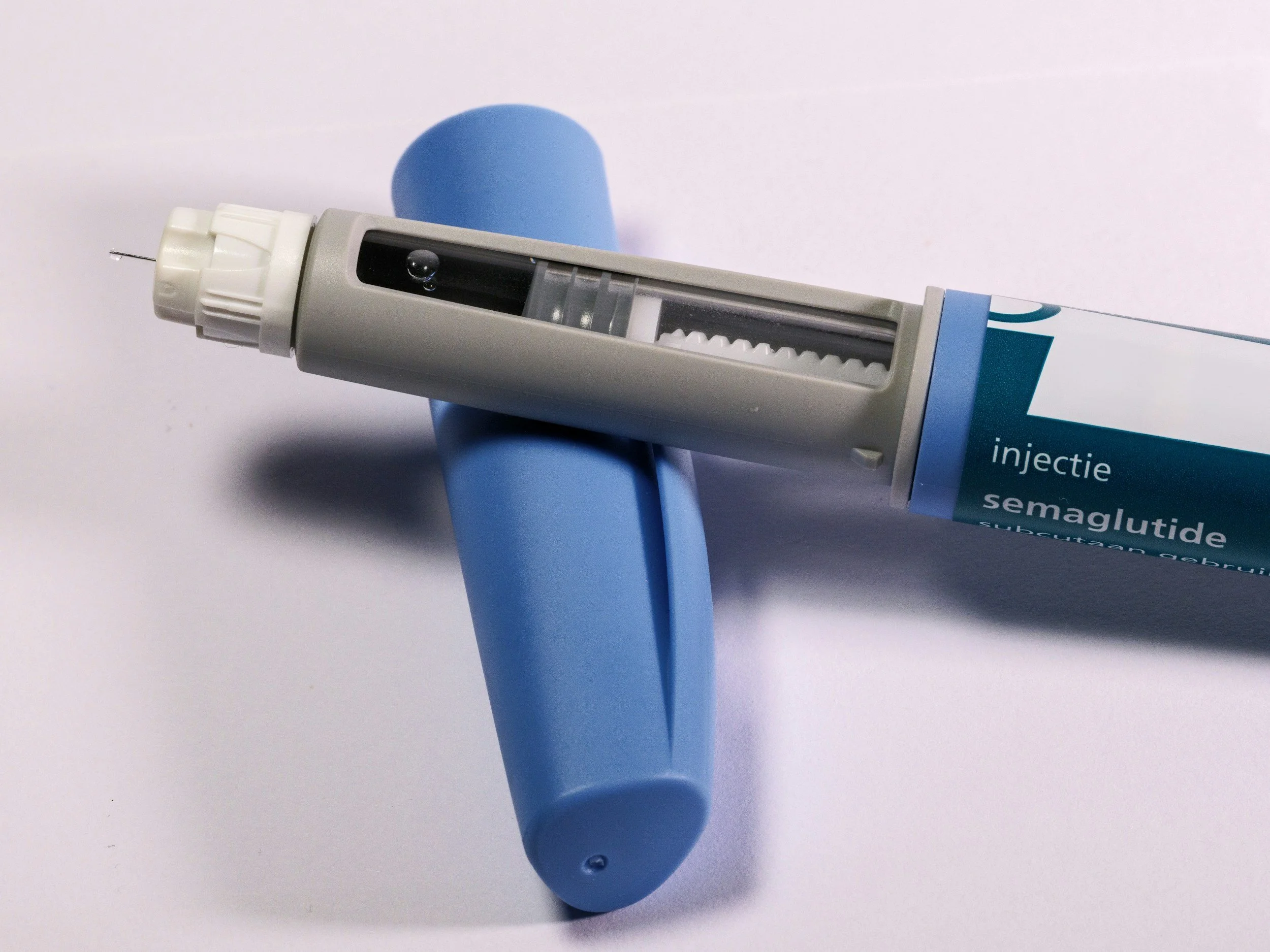
Loose Skin After Ozempic: Why It Happens and What Actually Works
GLP-1 medications cause faster fat loss than traditional dieting — which means your skin can't keep up. Here's why it happens, what actually works, and what doesn't.
Read Time : 14 Minutes
Let's start with the thing nobody told you before you filled that first prescription.
Ozempic, Wegovy, Mounjaro — these medications are genuinely remarkable. They work. You lost 50, 80, maybe 100+ lbs. Your bloodwork improved. Your energy came back. Your doctor is thrilled.
But now you're standing in front of the mirror looking at a body that still doesn't match how you feel. The stomach pouch. The saggy arms. The inner thighs that chafe. The face that somehow looks older than it did when you weighed more.
You're not ungrateful. You're not vain. You're just dealing with something a large number of people experience after major weight loss — and that almost nobody talks about until it's already happened.
This guide is everything we wish someone had told us. No surgeon ads, no product pitches, no "consult with your provider" non-answers. Just the real information.
Why rapid GLP-1 weight loss can make loose skin more noticeable
This is the part most articles skip, but it matters — because the way you lost weight directly affects your skin and your treatment options.
In many traditional diet-and-exercise weight loss journeys, weight comes off gradually over time, giving the skin more opportunity to adapt. You might lose 1–2 lbs per week over a year or two. Your skin has time to gradually tighten and adapt. The fat loss is uneven — you lose from some areas faster than others — and you're building muscle along the way, which fills in some of the space the fat left behind.
GLP-1 medications promote weight loss differently than lifestyle changes alone. Semaglutide and tirzepatide suppress your appetite at the brain level and slow your digestion. The result is faster, and your skin, that stretched over years may not fully retract when the underlying volume decreases quickly.
Three things happen at once that make GLP-1 skin laxity worse than regular dieting:
The speed outpaces your skin's ability to adapt. Collagen and elastin — the proteins that give your skin its snap-back ability — need time to remodel. Losing 50 lbs in 8 months doesn't give them that time. The skin stretches like a rubber band over years, but when the volume underneath shrinks quickly, the rubber band doesn't just snap back. Especially if you're over 35, when collagen production naturally declines.
GLP-1s cause muscle loss alongside fat loss. This is the part most people don't know. Like most forms of significant weight loss, GLP-1-related weight loss includes some loss of lean body mass alongside fat loss. Studies suggest lean mass can account for roughly 25–40% of total weight lost, though resistance training and adequate protein intake may help reduce that loss. Muscle provides underlying support for your skin — think of it as the scaffolding. When the scaffolding shrinks alongside the fat, the skin has even less structure to hold onto. This may partly explain why some people notice more skin laxity after rapid weight loss without strength training or muscle preservation strategies.
GLP-1 medications may directly affect skin quality. Emerging research suggests that GLP-1 receptor agonists may affect the density of collagen and elastic fibers in the skin itself. Some dermatologists and plastic surgeons report that patients after rapid GLP-1-related weight loss often describe thinner or more crepey skin, though it’s still unclear whether this is caused by the medications themselves, the speed of weight loss, loss of facial/body fat, age-related collagen decline, or a combination of factors.
The bottom line: if you lost significant weight on Ozempic, Wegovy, or Mounjaro, your loose skin isn't a failure of your body. It's a predictable consequence of how these medications work. And there are treatment options that can help, ranging from time and muscle rebuilding to surgical body contouring.
Where loose skin shows up most (and why)
Not all loose skin is created equal. Genetics, age, smoking history, sun exposure, pregnancy history, and the total amount of weight lost all influence how much loose skin develops.
The stomach and lower abdomen — In some people, excess lower abdominal skin and tissue can form a hanging fold called a pannus. It can cause rashes, infections, and chafing underneath. This is the area most likely to qualify for insurance coverage if it causes documented medical problems.
Upper arms — The infamous "bat wings." The skin on your upper arms has very little underlying muscle structure to begin with, so when the fat disappears, the skin hangs. This area is visible in short sleeves, which makes it one of the most emotionally impactful for patients.
Inner thighs — Loose skin here causes friction, chafing, and makes finding pants that fit properly nearly impossible. It's also one of the harder areas to address because thigh skin is thinner and heals differently.
Breasts — Weight loss deflates breast tissue significantly. The volume loss is compounded by the skin loosening, causing significant sagging.
Face and neck — This is "Ozempic face." It can create a more hollow or gaunt appearance that some people feel makes them look older or more tired. Facial volume loss is one of the most commonly reported cosmetic concerns after significant GLP-1-related weight loss.
Back and flanks — Rolls of loose skin along your bra line and sides are common after losing significant weight. These areas are often overlooked during consultations but significantly affect how clothing fits.
What actually works: your real options
Here's where we get honest. There are things that work, things that help a little, things that don't work at all, and a massive industry trying to sell you the second and third categories at the price of the first.
What works: surgical skin removal
Surgery is the only reliably effective way to remove significant loose skin. No cream, supplement, laser, or device will remove a hanging stomach apron or “bat-wing” arms. If your skin is significantly loose — meaning it hangs, folds over, or causes physical symptoms — surgery is the path that actually fixes it.
The most common procedures after GLP-1 weight loss:
Tummy tuck (abdominoplasty): $6,000–$15,000. Removes the loose skin from your abdomen, tightens the underlying muscles, and flattens your midsection. The extended version also addresses your flanks and hips. Recovery is 4–6 weeks. This is the single most popular post-weight-loss procedure.
360 body lift: $15,000–$35,000. When the loose skin goes all the way around — front, sides, back, and butt — a body lift addresses everything in one surgery. This is the go-to for people who lost 80+ lbs. Recovery is 6–8 weeks. It's a major surgery, but the results are dramatic.
Arm lift (brachioplasty): $5,000–$9,000. Removes the hanging skin from your upper arms. The trade-off is a scar that runs from your elbow to your armpit along the inner arm. The scar fades over 12 months and most patients say it's absolutely worth it versus living with bat wings.
Thigh lift: $5,500–$11,000. Fixes the inner and outer thigh skin. Inner thigh lifts are the most common and address chafing and friction.
Breast lift: $6,000–$14,000. Restores shape and position. Can add implants or fat grafting if you want to restore volume too. One of the highest satisfaction rates of any cosmetic procedure.
Facial volume loss after rapid weight loss (“Ozempic face”): $3,500–$12,000. Treatment options range from hyaluronic acid fillers and Sculptra (temporary but long-lasting) to fat grafting or facelift surgery. Fillers typically last 6–24 months depending on the product used. Fat grafting can produce longer-lasting results, though some transferred fat is naturally reabsorbed over time. A facelift addresses skin laxity and sagging but may still be combined with volume restoration
What helps a little: non-surgical skin tightening
If your loose skin is mild to moderate — not hanging, but just looking crepey or slightly lax — non-surgical treatments can improve things. Be realistic about what they can and can't do.
Morpheus8 (radiofrequency microneedling): The most popular non-surgical option right now. Uses tiny needles and radiofrequency energy to stimulate collagen production deep in the skin. Requires 3–6 sessions at $700–$2,000 per session depending on area and market. Best for mild laxity on the face, neck, arms, and abdomen. It can improve skin quality and tighten moderately, but it cannot remove hanging skin.
Ultherapy (focused ultrasound): Uses ultrasound energy to lift and tighten. FDA-cleared for brow, chin, and neck lifting. Less effective for body skin. One session at $2,000–$5,000. Results build over 2–3 months.
Laser skin resurfacing: Can improve texture and crepiness but doesn't address true laxity. Better as a complement to other treatments.
EmSculpt Neo / HIFEM: Builds muscle and reduces fat simultaneously. Won't fix loose skin directly, but building muscle can improve the appearance of mild laxity by providing more structure underneath. 4 sessions at $750–$1,000 each.
The honest truth about non-surgical treatments: they may produce modest improvement in skin tightness and texture in appropriately selected patients. They cannot replicate what surgery does. If your loose skin is significant enough that it bothers you daily, non-surgical treatments will likely leave you disappointed. Many patients spend $5,000–$10,000 on non-surgical treatments before ultimately getting surgery anyway — and wish they'd just gone straight to surgery.
What doesn't work: the stuff people try to sell you
Skin tightening creams and lotions. No cream has ever been shown to meaningfully tighten loose skin. Some contain retinol or peptides that can mildly improve skin texture, but the change is cosmetic and temporary. The loose skin is a structural problem — the collagen and elastin fibers are damaged. No topical product can rebuild them.
Collagen supplements. there is limited evidence that collagen peptides may modestly improve skin hydration and elasticity, but there is no strong evidence they can meaningfully tighten significant loose skin after major weight loss. Your body breaks down ingested collagen into amino acids and uses them wherever it wants — not necessarily in the skin you're trying to fix.
Body wraps, dry brushing, and compression garments. These may temporarily reduce the appearance of laxity through compression or mild dehydration, but the effect is temporary. Compression garments are important for post-surgical recovery, but they don't tighten skin on their own.
"Tighten loose skin" workout programs. Building muscle is genuinely important — it improves the underlying structure and can make mild laxity look better. But no amount of ab exercises will tighten a hanging stomach apron. If the skin is truly loose, exercise fills in some of the deflation but cannot shrink the excess skin itself.
We're not saying don't exercise or don't use good skincare. Both are worth doing for overall health. We're saying don't expect them to fix significant skin laxity, and don't spend thousands on products or programs that promise to "tighten loose skin naturally" when the science doesn't support those claims.
How to know if you're ready for surgery
Not everyone needs surgery, and not everyone is ready for it even if they do need it. Here's the honest checklist:
Your weight has been stable for at least 3 months. This is non-negotiable. Most surgeons require 3–6 months of weight stability (no more than 5–10 lbs fluctuation) before they'll operate. If you're still actively losing, the results may be suboptimal and you could need a revision.
You're done (or nearly done) with your GLP-1 medication changes. If your doctor is still adjusting your dose or you're planning to switch medications, wait until you've stabilized.
The loose skin affects your daily life. This can be physical — rashes, infections, chafing, difficulty exercising, trouble finding clothes that fit. Or it can be emotional — avoiding mirrors, not wanting to be intimate, feeling like the weight loss "didn't work" even though you know it did. Both are valid reasons.
You've tried giving your skin time. After weight loss, skin does continue to retract slowly for 6–12 months. Some people see meaningful improvement. Many don't, especially after 40 or after losing more than 50 lbs. But giving your body at least 6 months before pursuing surgery is reasonable.
You can handle the recovery. A tummy tuck means 4–6 weeks of limited activity. A body lift means 6–8 weeks. You'll need help for the first week — someone to drive you, help with meals, assist with daily tasks. Make sure your life situation allows for real recovery.
You understand the financial commitment. Most body contouring is not covered by insurance (panniculectomy is sometimes the exception). You're looking at $8,000–$35,000+ depending on what you need. Financing is available — 67% of cosmetic surgery patients use it — but you need to be clear-eyed about the cost.
How to find a surgeon who actually specializes in this
This matters more than most people realize. Many surgeons are now seeing increasing numbers of post-GLP-1 patients, and experience with massive-weight-loss body contouring is especially valuable. The fat loss pattern, tissue quality, and skin thickness are distinct. Ideally, look for a surgeon with substantial experience in post-weight-loss body contouring procedures.
Check for ABPS board certification. The American Board of Plastic Surgery is the only board that matters. "Board certified" alone can mean anything — there are dozens of minor boards. Look specifically for ABPS certification on their website or verify at abplasticsurgery.org.
Ask about their post-weight-loss experience specifically. How many post-GLP-1 patients have they treated? How many body lifts do they do per month? Ask to see before-and-after photos of patients who started at a similar weight and had a similar weight loss method to yours.
Consult with 2–3 surgeons. This is normal and expected. No surgeon will be offended. Each will give you a different perspective on what procedures you need, how to stage them, and what results are realistic. Comparing these opinions helps you make a better decision.
Pay attention to how the consultation feels. A good surgeon listens more than they talk during the first visit. They ask about your goals, concerns, and lifestyle. They're honest about limitations. They don't pressure you to book surgery that day. They give you a clear, written quote with everything included — surgeon fee, anesthesia, facility, garments, follow-ups.
Red flags: Any surgeon who quotes you over the phone without seeing you. Anyone who offers a "special deal" if you book today. Anyone who isn't specifically ABPS board certified. Anyone who dismisses your questions or makes you feel rushed.
The GLP-1 timing question: when to stop Ozempic before surgery
This comes up constantly, and the answer is that pre-operative GLP-1 guidance is evolving. Some surgeons and anesthesiologists recommend temporarily holding GLP-1 medications before surgery because they can delay gastric emptying and increase aspiration risk under anesthesia. The exact timing varies based on the medication, dose, procedure, and current anesthesia guidelines.
Your prescribing doctor and your surgeon will coordinate the timing. Some practices still recommend stopping weekly GLP-1 medications 1–2 weeks before surgery
The question everyone worries about: will I gain weight during the gap? In practice, a 4–8 week break from GLP-1 medication rarely causes significant regain if your eating habits are stable. Some patients notice temporary appetite changes or mild weight fluctuation during the medication pause. If you've built solid eating habits during your weight loss, those habits carry you through the break.
What recovery actually looks like
We have a full week-by-week recovery guide, but here's the honest summary:
Week 1 is the hardest. Pain, swelling, drains, limited mobility. You need help with everything. Most people describe it as "worse than expected but manageable."
Weeks 2–3, you turn the corner. Drains come out, pain shifts from sharp to achy, you can do light desk work from home.
Weeks 4–6, you return to most normal activities. Swelling is still present but decreasing. You start seeing your new contour emerge.
Months 2–3, you resume exercise and start scar management.
Months 6–12, final results become visible. Scars fade from red to white. Most patients say this is when the emotional payoff of the entire journey hits — when their outside finally matches how they feel inside.
The bottom line
Loose skin after Ozempic is not a failure. It's not something you did wrong. It's a predictable, treatable consequence of rapid weight loss
Your options range from doing nothing (completely valid if it doesn't bother you), to non-surgical treatments (for mild laxity), to surgical skin removal (the only solution for significant loose skin). The right choice depends on how much skin you have, where it is, how much it affects your life, and what you can afford.
Whatever you decide, take your time. Get informed. Consult with multiple surgeons if you go that route. And don't let anyone — not a surgeon, not a medspa, not an Instagram ad — pressure you into a decision before you're ready.
You did the hardest part already. The rest is just information, planning, and deciding what's right for you.
This guide is for informational purposes only and is not medical advice. Always consult with a board-certified plastic surgeon for personalized recommendations.